 Ohne Anstehen buchbar
 Sonnenaufgang oder Sonnenuntergang in Borobudur
Was ist 2026 die bessere Wahl?
Sonnenaufgang punktet mit Atmosphäre, Fotografie und Geschichte. Sonnenuntergang überzeugt durch Bequemlichkeit, verlässliches Wetter und das goldene Abendlicht. Beide sind auf 100 Gäste pro Tag begrenzt und starten am Manohara Borobudur Cultural Center. Wenn Sie sich nur für eines entscheiden können und den Weckruf um 04:00 Uhr in Kauf nehmen, wählen Sie den Sonnenaufgang. Falls der frühe Start ein Hindernis ist, ist der Sonnenuntergang auf seine eigene Weise wirklich außergewöhnlich. Unsere ehrliche Empfehlung: Erleben Sie beides am selben Tag mit dem Sunrise + Sunset Pack – die meisten Besucher, die dies tun, sagen, dass dies die Version von Borobudur ist, die ihnen in Erinnerung bleibt.
Das Argument für den Sonnenaufgang
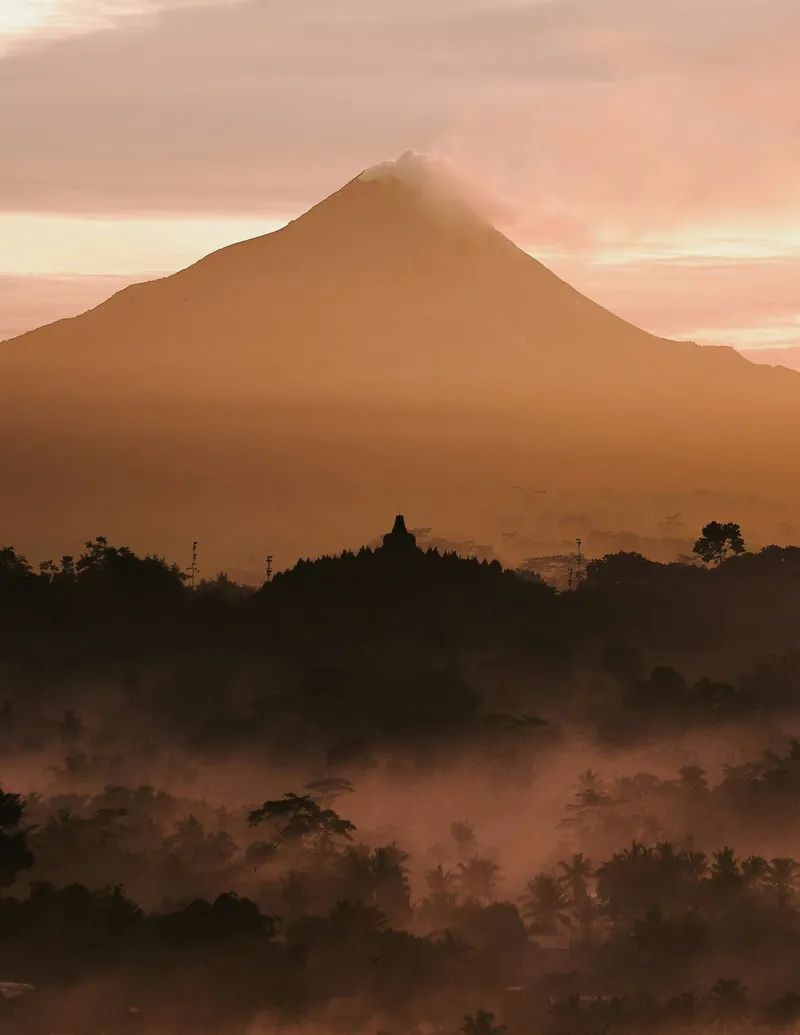
Das Sonnenaufgangserlebnis hat Borobudur berühmt gemacht – und das zu Recht. Sie treffen im Dunkeln ein. Wenn das erste Licht über das Kedu-Tal bricht, stehen Sie bereits auf den oberen Terrassen, zwischen den 72 Stupas, noch vor allen anderen Besuchern auf dem Berg. Nebel zieht durch das alte Gestein. Ihr Guide spricht leise. Es gibt nichts Vergleichbares in Südostasien.
Ein paar besondere Dinge, die der Sonnenaufgang dem Sonnenuntergang voraushat: die Stimmung vor der Dämmerung – die Stille auf den oberen Terrassen, der kalte Stein, die Abwesenheit anderer Menschen in den ersten zwanzig Minuten. Dieses Erlebnis beschreiben Menschen noch Jahre später. Es ist der Moment, der Borobudur auf jede Bucket-Liste setzt.
Fotografie: Das Lichtspiel zwischen 05:00 und 05:45 Uhr – Silhouetten von Stupas vor einem sich rötenden Himmel, Nebel im Tal darunter, das erste direkte Sonnenlicht, das die oberste Stupa trifft – ist zu keiner anderen Tageszeit auch nur annähernd zu erreichen. Wenn Sie Fotograf sind, ist der Sonnenaufgang keine Wahl, sondern die Entscheidung. Temperatur: Die oberen Terrassen sind um 04:30 Uhr angenehm kühl – selbst in der Trockenzeit etwa 18–22 °C. Deutlich angenehmer als die Mittagshitze, die Tagesbesucher ertragen müssen. Der Rest Ihres Tages gehört Ihnen: Sie sind um 08:00 Uhr zurück im Hotel, geduscht und gestärkt – der gesamte Tag liegt noch vor Ihnen.
Der Haken am Sonnenaufgang ist das Wecken um 04:00 Uhr. Von Yogyakarta aus bedeutet das Abfahrt um 03:00 Uhr, was wiederum heißt, am Vorabend um 20:00 Uhr ins Bett zu gehen – im Urlaub eine echte Zumutung. Das Aufstehen selbst ist wirklich hart. Wenn Sie mit Kindern unter zehn Jahren oder mit jemandem reisen, dem frühes Aufstehen schwerfällt, sollten Sie dies unbedingt bedenken. Was einem sonst niemand sagt: Der Sonnenaufgang findet nicht immer statt. Wir sind in den Tropen. Manche Morgen sind dick in Nebel und Wolken gehüllt, die Sonne geht irgendwo dahinter auf, und vom Tal sehen Sie so gut wie nichts. Das Erlebnis, vor allen anderen auf den Terrassen zu sein, ist trotzdem außergewöhnlich – aber wenn Sie die Postkartenidylle erwartet haben und stattdessen Nebel bekommen, könnten Sie sich betrogen fühlen. Dieses Risiko ist real, und bei schlechtem Wetter gibt es keine Rückerstattung.
Der Fall für den Sonnenuntergang
Der Sonnenuntergang ist der stille Bruder – weniger fotografiert, weniger besprochen und in vielerlei Hinsicht die kultiviertere Wahl. Wenn Sie am späten Nachmittag ankommen, sind die Tagestouristen längst fort. Der Tempel ist ruhiger als zu jeder anderen Tageszeit, inklusive Sonnenaufgang. Sie steigen im warmen Licht empor. Der Stein nimmt eine Farbe an, die er zu keinem anderen Zeitpunkt hat – die Nachmittagssonne verwandelt den Kalkstein von kühlem Grau in warmen Honig, und das Kedu-Tal erstrahlt in goldenem Licht. Zwischen 17:00 und 18:00 Uhr sind die oberen Terrassen so fotogen wie nie, ohne die Unsicherheit der Dämmerung.
Konkrete Gründe für den Sonnenuntergang: kein Start um 03:00 Uhr – das ist der offensichtlichste Punkt, aber er zählt. Sie sind wach, warm, satt und kämpfen nicht gegen die Müdigkeit an. Das gesamte Erlebnis lässt sich leichter genießen. Wetterzuverlässigkeit: Der Nachmittagshimmel in Zentraljava ist meist klarer als der vor der Morgendämmerung. Sie haben eine höhere Wahrscheinlichkeit, tatsächlich einen Sonnenuntergang zu sehen als einen ungetrübten Sonnenaufgang. Die goldene Stunde: Die Stunde vor Sonnenuntergang ist allgemein das schmeichelhafteste Licht für Fotografie. Der Sonnenaufgang ist dramatisch; der Sonnenuntergang ist schön.
Abendessen danach: Ein langes, ruhiges Abendessen, während das letzte Licht verblasst, dann eine kurze Rückfahrt. Es ist der entspanntere Abschluss eines Tages. Sie können den Tag zuvor voll auskosten: Der Sonnenaufgang beansprucht Ihren Morgen. Der Sonnenuntergang beansprucht Ihren Abend. Wenn Sie Prambanan, eine Tempelstadt-Besichtigung oder eine Fahrt durch die Menoreh-Hügel planen, ermöglicht Ihnen der Sonnenuntergang, vorher mehr in den Tag zu packen. Das Hauptargument gegen den Sonnenuntergang ist, dass Sie nicht das Gefühl haben, vor allen anderen da zu sein. Sie sind heute nicht der erste Mensch auf dem Monument. Das ist ein echter Unterschied, und für manche Besucher ist er wichtig.
Was wir unseren Gästen raten
Wenn uns jemand per E-Mail fragt, was er wählen soll, hier ist der Entscheidungsbaum, den wir tatsächlich verwenden: Wenn dies eine einmalige Reise ist und Sie nur einen Abend in Borobudur haben, buchen Sie das Sunrise + Sunset Pack. Beides am selben Tag zu erleben, ist die Version von Borobudur, an die sich die meisten Besucher erinnern. Der ganze Tag zwischen den beiden Terminen ist ein wesentlicher Teil des Erlebnisses.
Wenn Sie Fotograf sind oder Ihre Reise auf die Aufnahme der Morgendämmerung ausgerichtet ist, buchen Sie den Sonnenaufgang. Akzeptieren Sie das Wetterrisiko, akzeptieren Sie das frühe Aufstehen, und schließen Sie im Voraus Frieden damit. Wenn Sie mit Kindern, älteren Eltern oder jemandem reisen, dem frühes Aufstehen schwerfällt, buchen Sie den Sonnenuntergang. Sie werden eine schönere Zeit haben, und das Erlebnis ist dennoch außergewöhnlich.
Wenn Ihre Reise zeitlich knapp ist und Sie nur einen Slot haben, prüfen Sie, welcher Tag die bessere Wettervorhersage hat, und wählen Sie entsprechend. Klarer Himmel ist wichtiger als die genaue Tageszeit. Wenn Sie in der Regenzeit (November bis März) reisen, tendieren Sie zum Sonnenuntergang. Die Morgen in der Regenzeit in Zentraljava sind häufiger grau und diesig als die Nachmittage. Es gibt hier keine falsche Antwort, nur unterschiedliche Abwägungen. Die schlechteste Wahl ist, gar keinen Plan zu haben und einfach das Ticket zu kaufen, das bei Ihrer Ankunft noch übrig ist – dann ist der Sonnenaufgang vielleicht schon ausverkauft, und Sie haben die Wahlfreiheit verloren.
Das Sunrise + Sunset Pack – warum wir es am häufigsten empfehlen
Die einfachste Antwort auf die Vergleichsfrage ist: Hören Sie auf zu vergleichen und machen Sie beides. Das Sunrise + Sunset Pack ist für einen einzigen Tag konzipiert. Sie nehmen am Sonnenaufgang um 04:30 Uhr teil, frühstücken um 06:30 Uhr, verbringen den ganzen Tag nach Belieben (wir empfehlen ein paar Stunden Schlaf in Ihrem Hotel, dann das Karmawibhangga-Museum am Tempelfuß, danach ein spätes Mittagessen im Dorf Borobudur) und kehren für den Sonnenuntergang um 16:00 Uhr zurück. Abendessen um 18:30 Uhr. Zuhause um 19:30 Uhr.
Es ist ein langer Tag – das lässt sich nicht vermeiden – aber es ist auch die Version von Borobudur, von der uns die meisten Gäste hinterher sagen, dass sie die richtige Wahl war. Die Begründung: Nach dem Sonnenaufgang haben Sie die schwierige Logistik, um 04:00 Uhr zum Manohara Cultural Center zu gelangen, bereits gemeistert, Sie haben bereits Ihre Upanat-Fußbekleidung, Sie kennen sich bereits aus. Den Sonnenuntergang hinzuzufügen, ist logistisch gesehen praktisch kostenlos, und die Ersparnis ist real. Ihr Treffpunkt, Ihre Guides und die Verwaltung sind in einer Buchung gebündelt.
Dinge, die Ihnen niemand sagt
Sonnenaufgang beginnt nicht mit der Sonne: Der Tempelzugang öffnet um 04:30 Uhr – lange vor der eigentlichen Morgendämmerung in Zentraljava, die im April gegen 05:45 Uhr einsetzt. Der Grund: Das wahre Erlebnis ist die halbe Stunde, die Sie im Dunkeln aufsteigen, die oberen Terrassen erreichen, bevor das erste Licht sie berührt, und dann zusehen, wie der Himmel sich zu verändern beginnt. Wenn Sie erst um 05:30 Uhr kämen, würden Sie den besten Teil verpassen.
Sonnenuntergang ist nicht die Umkehrung des Sonnenaufgangs: Die beiden Erlebnisse unterscheiden sich operativ und emotional grundlegend. Sonnenaufgang bedeutet, im Dunkeln anzukommen und die Welt erwachen zu sehen. Sonnenuntergang bedeutet, auf den Terrassen zu sein, während der Tag ausklingt und das Tal sich in warmes Licht hüllt. Sie sind keine Spiegelbilder voneinander – und viele Erstbesucher erwarten genau das.
Das Aufstehen um 04:00 Uhr ist schlimmer, als Sie denken: Es ist schlimmer, als Sie denken. Es ist schlimmer beim ersten Mal, und es ist noch schlimmer, wenn Sie unter Jetlag leiden. Wenn Sie den Sonnenaufgang buchen, planen Sie, am Vorabend um 20:00 Uhr ins Bett zu gehen. Verzichten Sie auf den Willkommenscocktail. Schalten Sie das Handy auf „Nicht stören“. Die meisten Beschwerden, die wir zum Sonnenaufgang erhalten, sind eigentlich Beschwerden über Schlafmangel – und sie sind vermeidbar.
Fotografieren ist willkommen – Drohnen nicht: Gemäß den Ticketbedingungen von 2026 ist privates Fotografieren in Borobudur erlaubt – auch von den oberen Terrassen bei Sonnenaufgang und Sonnenuntergang. Dies kehrt die ältere Regel „Keine Fotos innerhalb der Struktur“ um, die manche Blogs noch zitieren. Bringen Sie Ihr Handy, bringen Sie Ihre Kamera. Das Einzige, was nicht erlaubt ist, ist eine Drohne.
Sie werden gute Schuhe brauchen: Am Tempelfuß erhalten Sie Upanat-Sandalen – traditionelles indonesisches Schuhwerk, das speziell zum Schutz des antiken Steins entwickelt wurde. Sie dürfen sie mit nach Hause nehmen. Der Haken: Die Sohlen sind dünn und rutschig auf unebenem Gelände, und die Terrassen von Borobudur haben reichlich unebenes Gelände. Tragen Sie Zehensocken oder dünne Hausschuhe, um Blasen zu vermeiden.
Die Anreise ist der andere schwierige Teil
Welches Erlebnis Sie auch buchen, die rechtzeitige Ankunft am Manohara Borobudur Cultural Center ist die zweite logistische Herausforderung. Für den Sonnenaufgang bedeutet das eine Abfahrt um 03:00 Uhr von Yogyakarta, wenn Sie dort übernachten. Die meisten Hotels können einen Fahrer für IDR 500.000–700.000 für eine Hin- und Rückfahrt arrangieren. Alternativ können Sie im Dorf Borobudur selbst übernachten – dann sind es ein kurzer Fußweg oder 5 Minuten mit dem Taxi statt einer 90-minütigen Fahrt um 03:00 Uhr morgens. Wir empfehlen Sonnenaufgangsbesuchern dringend die zweite Option. Die Details beider Optionen – Fahrerbuchung, Unterkunftsmöglichkeiten und der Transfer vom Flughafen Yogyakarta International Airport (YIA) – finden Sie auf unserer Transfer-Seite bzw. Hotel-Seite.
Häufig gestellte Fragen
Kann ich den Sonnenaufgang an einem Montag machen?
Ja. Seit Juli 2025 ist Borobudur an jedem Wochentag geöffnet, einschließlich Montag. Die ältere Regel „montags wegen Konservierung geschlossen“ wurde aufgehoben. Der Sonnenaufgang findet täglich statt.
Was ist, wenn es regnet?
Das Erlebnis findet unabhängig vom Wetter statt. Rückerstattungen bei Regen, Wolken oder Nebel sind nicht möglich. Die Trockenzeit (April bis Oktober) bietet die zuverlässigsten Bedingungen; die Regenzeit (November bis März) bringt häufiger bewölkte Morgen. Wenn Ihr Besuch in die Regenzeit fällt und Sie den Sonnenaufgang speziell für das Foto buchen, sollten Sie einen zweiten Tag als Reserve einplanen.
Wie weit im Voraus sollte ich buchen?
Sonnenaufgang und Sonnenuntergang sind auf jeweils 100 Gäste pro Tag begrenzt. In der Hochsaison (Juni bis August sowie Dezember) sind die Plätze zwei bis vier Wochen im Voraus ausgebucht. In der Nebensaison (April, Mai, September, Oktober) können Sie oft eine Woche vorher buchen. In der Regenzeit (November bis März, außer Dezember) ist die Verfügbarkeit lockerer, aber dennoch lohnt eine Vorabbuchung, um das gewünschte Datum zu sichern. Wenn Ihre Reisedaten feststehen, buchen Sie bitte, sobald Sie diese kennen.
Brauche ich einen Guide oder kann ich allein besichtigen?
Ein lizenzierter Pamong-Carita-Guide ist seit 2023 für jeden Besucher der Tempelanlage verpflichtend – er ist Teil des Besucherlenkungssystems. Der Guide ist in jedem Ticket enthalten (sowohl in Ihrem als auch in unserem). Er begleitet Sie durch den Tempel, erläutert die 2.672 Reliefpaneele im historischen Kontext und stellt sicher, dass die Besucherregeln eingehalten werden. Ein Besuch ohne Begleitung ist nicht möglich.
Lohnt sich das Paket „Sonnenaufgang + Sonnenuntergang“ wirklich für einen ganzen Tag?
Ja, mit einer Einschränkung. Die Ersparnis ist real, aber nicht der Hauptgrund dafür. Der Grund ist, dass Sie bereits im Dorf Borobudur sind – Sie haben die Anreise bereits hinter sich, den Check-in im Manohara Cultural Center absolviert und den Guide kennengelernt – und eine zweite Besichtigung bringt unverhältnismäßig viel Mehrwert im Vergleich zur Mühe, an einem anderen Tag wiederzukommen. Die Einschränkung: Es wird ein langer Tag, und Sie werden am Ende müde sein. Wenn Sie mehrere Wochen unterwegs sind und Borobudur nur eine Station ist, sollten Sie die beiden Besuche lieber auf zwei Tage verteilen. Wenn Borobudur das Hauptereignis Ihres Yogyakarta-Besuchs ist, dann nehmen Sie das Paket.